WELCOME TO CANADY & SON EXTERMINATING!
For 32 years we have specialized in protecting our clients, their businesses, and their homes. Whether you want to protect your home, commercial business, or industrial site our employees are qualified and certified experts! We a family owned and operated, and we guarantee quality in all our work.
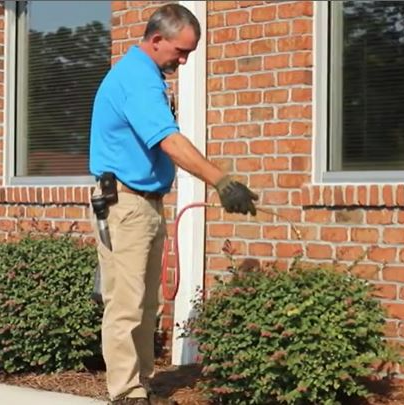
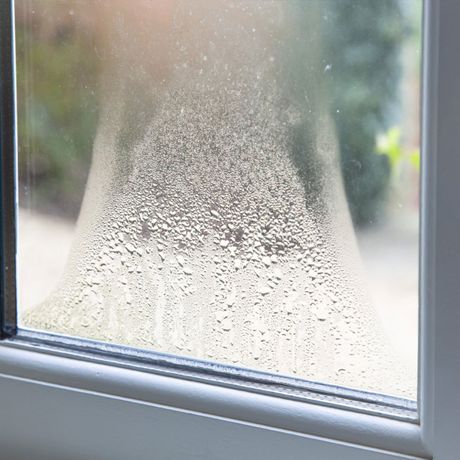
We specialize in Roaches, Fleas, Mice, Rats, Spiders, Ants, Termites, Termite & Moisture Control, Drainage and Moisture Control, Complete yard defense and more. Canady & Son provides you, our client with the newest technology in advanced bait systems for Roaches and Termites.
Pests are a reality of everyday life. There are over 94,000 species of pests in the United States. No matter how clean you keep your home, pests will find a way in. Pests can not only cause physical damage to your home, they can also spread germs, irritate allergies and generally make the environment in your home uncomfortable.
Pests systematically seek out entry points and invade your home to obtain food and water. Once pests find a way in your home, your home provides a perfect environment for them to flourish. It is important to understand the areas of your home that are most susceptible to pest activity.
FREE ESTIMATES...
FREE INSPECTIONS...
THE ANT
• Ants are social insects
• There are 11,800 known species
• Highly organized colonies containing millions of members
• Workers live 1-3 years while queens can survive up to 30
THE ROACH
• There are 3,500 known species
• Extremely prolific
• Nocturnal roaches will generally run away from light
• Roach allergens can worsen asthma
THE RAT
• Rats are destructive to humans and property
• They carry over 30 diseases that are dangerous to humans
• Rats are nocturnal making daytime sightings unlikely unless
nests have been disturbed.
• Often chew through electrical and phone cables
THE SPIDER
• Predatory invertebrate animals
• Occur in a large range of sizes from (1mm-9cm)
• There are 40,000 known species
• Natural controllers of insect populations
Common Household PESTS...
We provide protection for: Commercial, Residential, Industrial clientelle
Website designed and hosted by PREMIER MULTIMEDIA. Copyright 2008. All rights reserved.
Over 32 Years Experience in termite control and extermination...
THE DRYWOOD TERMITE
• Found in Tropical and Sub-Tropical climates
• They measure approximately 1/4"
• Enter by flying in or carried in on infested wood
• They establish colonies in wood framework
• Drywood termites reproduce at a rate of 1,000 eggs per day
• Construct galleries or tunnels through wood
No two homes are exactly alike and are uniquely vulnerable to termite invasion. Termites cause over 5 billion dollars in property damage in the U.S. annually. Property damage caused by termites is not covered under your homeowner’s insurance policy. Understanding the areas of your home that are vulnerable to a termite invasion can help you spot the signs of a possible infestation and get professional help before additional damage is done.
THE EXTERIOR
The exterior of your home is the termite’s natural habitat. The exterior of your property contains numerous termite staging sites. These areas support termite activity by providing moisture to foraging termites. Excess moisture causes wood to decay, attracting even more termites to the source.
THE PERIMETER
The perimeter of your home is the termite’s gateway into the interior of your home. The basic design and structure of your home can affect its defense against termites. Termites can gain access into your home through foundation cracks as small as 1/64 inch. Changes of grade, including sunken or elevated slab construction and abutted structures can provide openings for foraging termites.
THE INTERIOR
The interior of your home provides termites with access to plentiful supplies of wood and moisture they need not only to survive but thrive.
THE SUBTERRANEAN TERMITE
• These termites are adapted to most climates
•Subterranean termites causes billions of dollars of damage annually
• They could gain access through foundation cracks as small as 1/64 of an inch
• Survive underground at depths of up to 50 feet
• Naturally attack the cellulose of fallen trees
• Subterranean termite invasion can go undetected for months or even years
This silent invader lives underground and multiplies by the thousands, always in search for wood to feed their colonies. Left undetected, they will tirelessly attack a home, causing dangerous and costly structural damage. Subterranean termites enjoy warmth and like to eat cellulose, a material found in all plant cells. This nourishment enables them to tunnel their way through solid wood such as your house timber. The first attack is likely to be on the underground structure of your house. As a rule, they travel above ground for food (wood) and underground for moisture. A termite mud tunnel found between the soil and wood construction in your home is a sign of infestation. Termites feed on any structure containing wood, they also attack slab homes and can enter through cracks as small as 1/64th of an inch.

The Drywood Termite not only eats the wood structure, but lives inside the wood structure. These insects will construct a virtual city within the wood, complete with galleries or tunnels to get around it. They can enter the home by flying in or being carried on previously infested wood, such as furniture or construction materials. Each year they swarm as a way of starting new colonies. Attic and eave areas are prime targets for new colonies, along with windowsills, baseboards, beams and doorframes. Any exterior wood that can be bored into is a good place to look for a colony. They can even attack furniture, paper, cloth, wallboard or any other cellulose material.